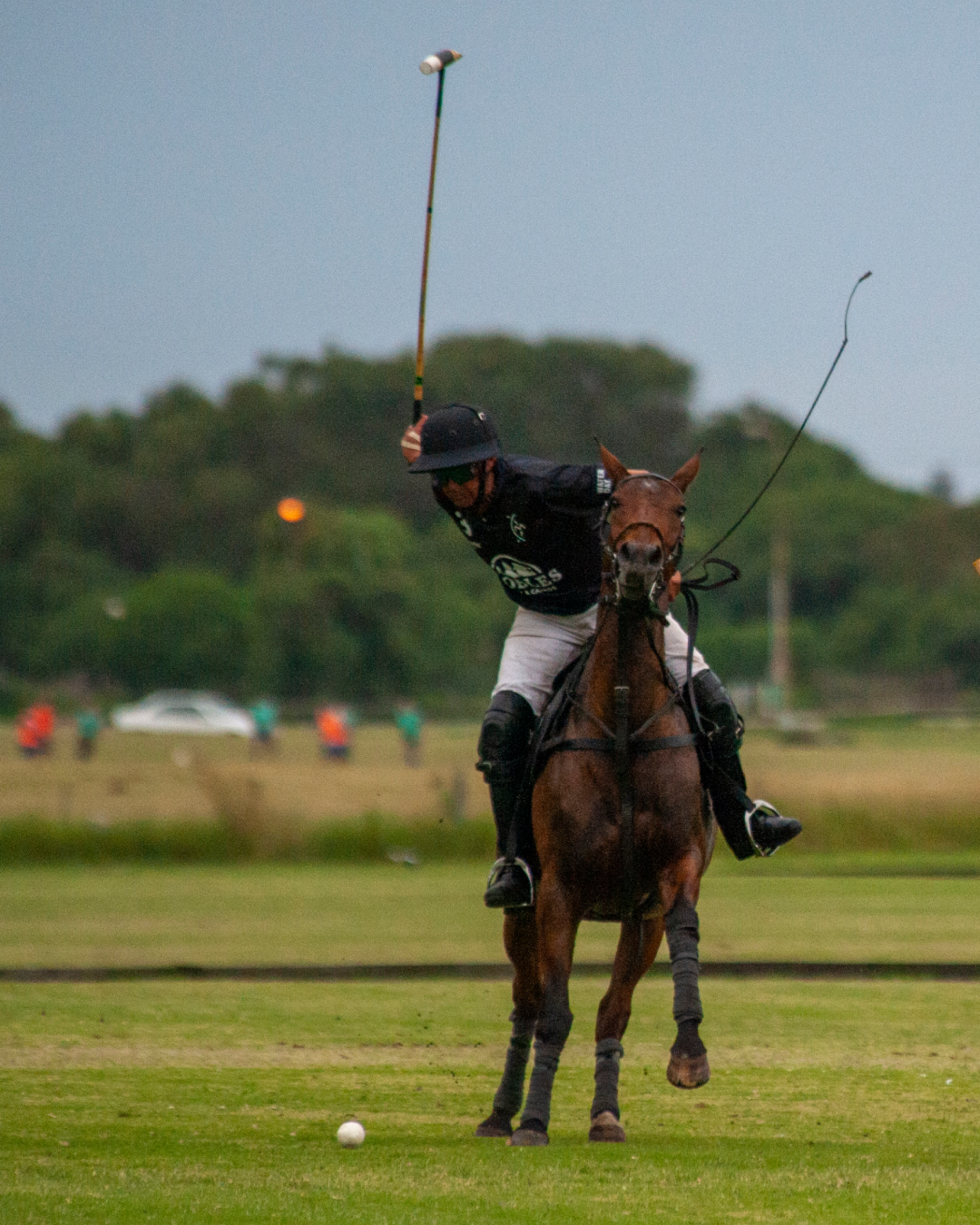
Entering the sport of polo requires not only technical instruction but also a structured developmental framework that integrates riding skills, game understanding, and horse management. At Argentina Polo School in Mar del Plata, the admission and training process is designed as a systematic progression, enabling students of all levels to develop into competent and independent polo players.
Initial Contact and Enrollment
The admission process begins with direct communication through the school’s official contact channels.
Offcial contact of Argentina Polo School:
TEL: + 54 9 223 634 0016
Email: argentinapoloschool@gmail.com
Website: https://poloschoolargentina.com/
This initial step serves as a preliminary assessment, allowing the institution to gather essential information regarding the candidate’s prior experience, objectives, and availability. Such data informs the design of an individualized entry pathway into the program.
Introductory Meeting with Coaching Staff
Following initial contact, prospective students are invited to attend an introductory meeting with the coaching team. This session functions as an orientation, during which students are introduced to the training environment, pedagogical approach, and institutional expectations. It also establishes a foundational understanding between the student and instructors, which is critical for effective long-term development.
Diagnostic Evaluation Lesson
The next stage involves a formal evaluation lesson, aimed at assessing the student’s baseline competencies. This includes:
- Riding proficiency and control
- Physical coordination and balance
- Previous exposure to polo techniques and gameplay (if applicable)
This diagnostic phase is essential for accurately positioning the student within the training system and ensuring appropriate progression.
Individualized Methodology and Training Plan
Based on the evaluation results, the coaching staff develops a personalized training methodology and structured lesson plan. This plan is tailored according to:
- The student’s objectives (recreational, lifestyle, or competitive)
- Physical condition and learning capacity
- Time commitment and availability
The result is a clearly defined progression pathway, providing transparency in both short-term and long-term development goals.
Periodic Assessment and Feedback Cycles
Training is organized into recurring evaluation cycles, conducted every four lessons. Each cycle consists of:
- Three practical sessions focused on applied skills
- One theoretical session addressing conceptual knowledge
This cyclical assessment model ensures continuous monitoring of progress, facilitates timely feedback, and allows for methodological adjustments where necessary.
Structured Progression Toward Game Participation
A central objective of the program is to guide each student toward participation in practical polo sessions with members of the Mar del Plata Polo Club. The structured nature of the curriculum ensures that, regardless of initial skill level, students can clearly track their advancement and understand the requirements necessary to reach gameplay readiness.
Digital Training System and Progress Tracking
Each participant is provided with access to a dedicated digital system, where their training plan and performance data are recorded. This platform enables:
- Ongoing monitoring of individual progress
- Transparent visualization of development stages
- Flexible adjustments to training strategies
Such an approach reflects contemporary practices in sports education and performance tracking.
Comprehensive Polo Education
In addition to technical instruction in polo, the curriculum incorporates a broad theoretical component, including:
- Horse care and stable management
- Tack and equipment usage
- Fundamental veterinary knowledge
- Equine nutrition and daily routines
- Selection of appropriate rider equipment (e.g., helmets)
- Rules and regulations of polo associations
- Understanding of the handicap system
This multidisciplinary framework ensures that students acquire a holistic understanding of the sport.
Development of Independent Polo Players
The overarching aim of Argentina Polo School is not limited to teaching gameplay mechanics. Rather, it seeks to develop independent polo players capable of:
- Managing horses and related infrastructure
- Building and maintaining their own polo environment
- Participating in tournaments at both national and international levels
Conclusion
The training methodology implemented at Argentina Polo School in Mar del Plata represents a structured and comprehensive approach to polo education. By combining personalized instruction, continuous assessment, and theoretical grounding, the program enables students to progress systematically from initial contact to active participation in the sport. Ultimately, it fosters not only technical proficiency but also autonomy within the broader polo ecosystem.
