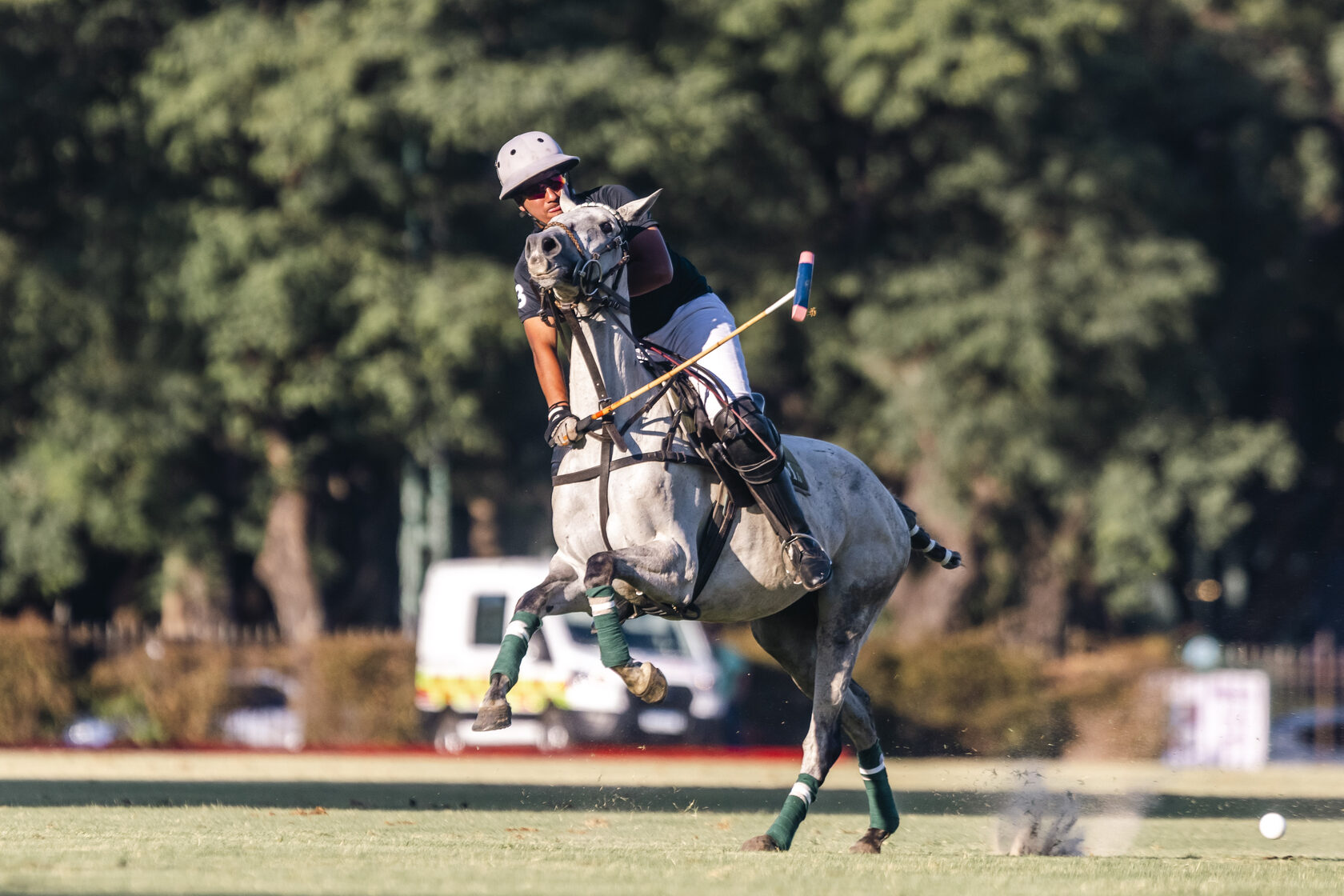
Polo horse training is one of the most demanding processes in equestrian sport. A good polo pony isn't born ready — it's built through months (and often years) of patient work, technique, and consistency. In this article, we cover everything you need to know about training a horse for polo, from the very first steps to the final polish before competition.
What Is Polo Horse Training?
Polo horse training is the process by which a young horse — typically between 3 and 4 years old — learns to respond to the rider's aids, maintain balance at varying speeds, execute sharp turns, and tolerate contact with the mallet and ball without losing composure. Unlike other equestrian disciplines, polo demands that the horse combine speed, agility, and instant obedience in a high-adrenaline environment.
Stages of the Training Process
1. Initial Breaking ("Mouthing")
A colt's first contact with humans is decisive. At this stage, the focus is on:
- Getting used to the halter and being led
- Accepting the bit and bridle
- First gentle rides, with no physical demands
- Desensitization to stimuli (noise, moving objects, the polo mallet)
This phase usually lasts between 30 and 60 days and lays the foundation of trust between the horse and the trainer.
2. Rein Work and Balance
Once the young horse accepts the rider naturally, training moves toward:
- Lateral and longitudinal flexion exercises
- Transitions between walk, trot, and canter
- Progressive stops and backing up
- Circle work to improve balance in turns, essential for polo
3. Introduction to Game Elements
This is where specialization toward polo itself begins:
- Familiarization with the mallet and the sound of the mallet hitting the ball
- Working close to other horses (polo is a contact sport)
- "Stop-and-go" exercises: explosive starts and sudden stops
- Practicing tight turns at high speed
4. Refinement and Controlled Play
In the final stage, the horse is introduced to real game situations, first in low-intensity practice sessions ("stick-and-ball") and later in formal matches. Emphasis is placed on:
- Immediate response to one-handed rein aids
- Tolerance of close "riding off" (physical contact between players)
- Physical stamina for match periods (chukkers)
Qualities a Well-Trained Polo Pony Must Develop
A properly trained polo pony should display:
- A soft, responsive mouth: reacts to the slightest rein pressure
- Quick acceleration and braking: instant changes of speed
- Balance in turns: pivots on its hindquarters without losing stability
- A steady temperament: stays calm amid noise and physical contact
- Endurance: withstands intense, repeated effort throughout the chukker
Common Mistakes in Polo Horse Training
- Rushing the process: pushing specialization before the basics of classical breaking are solid often produces hard-mouthed or insecure horses.
- Neglecting desensitization: a horse unaccustomed to the mallet or physical contact may react with fear during a match.
- Overloading the young horse physically: intense work before the animal is physically developed can cause long-term injuries.
- Ignoring each horse's individuality: every animal learns at its own pace; applying the same schedule to all of them is usually counterproductive.
Practical Tips for Trainers and Players
- Always work progressively, respecting the horse's learning pace.
- Prioritize building trust before physical demands.
- Introduce the mallet and ball gradually, first on foot and then mounted.
- Do teamwork with other horses to simulate the game environment.
- Always consult a veterinarian or farrier specialized in sport horses to monitor the animal's physical development.
Frequently Asked Questions About Polo Horse Training
At what age does polo horse training start? Generally between 3 and 4 years old, once the skeleton has developed enough to safely support the rider's weight.
How long does it take to fully train a polo pony? The complete process, from initial breaking to a horse ready to compete at a good level, can take between 2 and 4 years.
What sets a polo pony apart from other sport horses? The combination of speed, tight turning ability, and tolerance for physical contact distinguishes it from disciplines like show jumping or dressage.
Conclusion
Polo horse training is an art that combines patience, technique, and a deep understanding of equine behavior. A well-managed process not only produces better game horses but also ensures their long-term physical and emotional well-being. Investing time in every stage — from mouthing to formal play — is the key to developing a reliable, agile, and safe polo pony.
