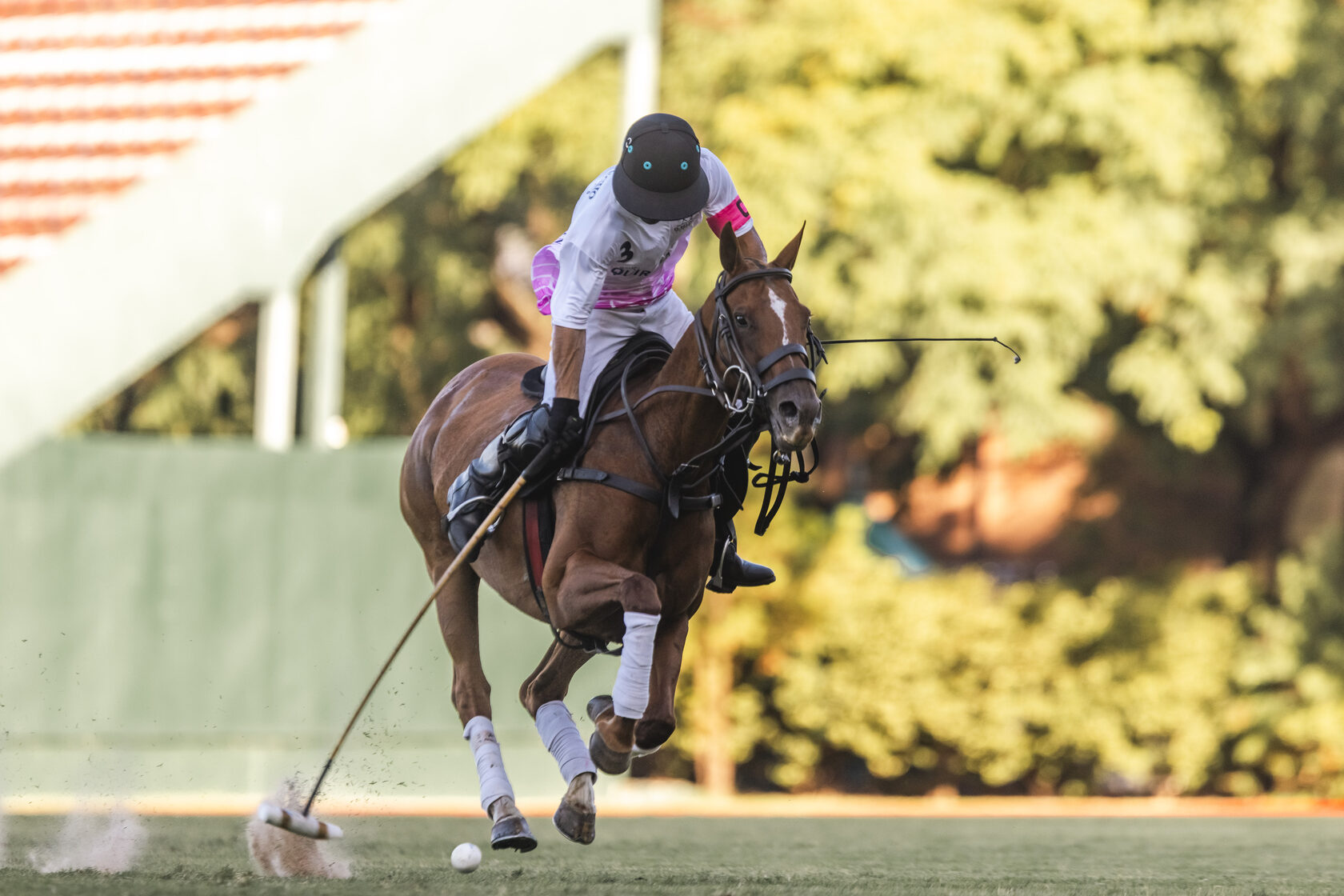
Horse polo is often described as one of the most challenging sports in the world. It combines horsemanship, strategy, speed, and precise ball control. While riding at high speed, players must strike a small ball with accuracy using a long-handled mallet—making polo shots one of the most technical aspects of the game.
Whether you are a beginner or an experienced player looking to improve your handicap, understanding the different types of polo shots is essential. In this complete guide, we explain the 14 fundamental shots used in horse polo and how players use them during a match.
If you are learning polo for the first time, practicing these shots under professional instruction is invaluable. Argentina Polo School in Mar del Plata, Argentina, offers polo lessons and training programs where players from around the world learn these techniques while riding well-trained polo ponies.
Why Are Polo Shots Important?
In polo, a player rarely hits the ball from a stationary position. Most shots are executed while galloping, turning, or under pressure from opponents. Mastering various shots allows players to:
- Maintain possession
- Pass accurately to teammates
- Defend against opponents
- Create scoring opportunities
- Control the pace of the game
Great polo players are distinguished not only by their riding skills but also by their ability to execute every type of shot under pressure.
1. Forehand Open Shot
The forehand open is the most fundamental shot in polo. It is played on the horse's right side with a full swing.
This shot is commonly used for:
- Long passes
- Clearing the ball
- Shooting on goal
For beginners, mastering the forehand open is often the first step toward becoming a confident polo player.
2. Backhand Open Shot
The backhand open is struck on the horse's right side but in the opposite direction.
Players use this shot to:
- Defend against attacks
- Clear the ball from danger
- Change the direction of play
A strong backhand is often the hallmark of an advanced player.
3. Forehand Near Side Shot
The forehand near side is played on the horse's left side by reaching underneath the horse's neck.
This shot is useful when:
- The ball lies on the left side
- Opponents block the right side
- Quick directional changes are needed
Near-side shots require excellent balance and horsemanship.
4. Backhand Near Side Shot
This defensive shot is played on the left side while swinging backward.
It is commonly used to:
- Remove pressure from defenders
- Redirect play
- Clear dangerous balls
The backhand near side is among the most technically difficult shots in polo.
5. Forehand Neck Shot
The neck shot sends the ball diagonally across the horse's front.
Players use it when:
- Changing angles toward goal
- Passing to teammates
- Avoiding defenders
This shot requires precise timing and ball placement.
6. Backhand Neck Shot
The backhand neck shot is played behind the horse's neck, allowing players to redirect the ball while moving away from opponents.
It is particularly useful in tight situations where space is limited.
7. Forehand Tail Shot
The forehand tail shot is struck behind the rider's leg while moving forward.
This advanced shot helps:
- Keep possession
- Redirect the ball
- Surprise defenders
Professional players frequently use tail shots to maintain control under pressure.
8. Backhand Tail Shot
The backhand tail shot is a defensive variation hit behind the rider.
It can:
- Clear the ball from danger
- Change direction quickly
- Create counterattacks
Timing and flexibility are critical for executing this shot effectively.
9. Offside Forehand Shot
The offside forehand is simply another name for the traditional right-side forehand shot.
Since polo is played right-handed for safety reasons, the offside remains the standard striking side.
10. Offside Backhand Shot
The offside backhand is the right-side defensive backhand.
It is frequently used to:
- Stop attacking plays
- Defend goals
- Send long clearances
Many coaches consider this one of the most important defensive shots in polo.
11. Nearside Forehand Shot
The nearside forehand is played on the left side of the horse.
Executing this shot requires:
- Strong balance
- Independent seat
- Trust in the horse
Players often spend months mastering nearside techniques.
12. Nearside Backhand Shot
The nearside backhand combines left-side striking with a backward swing.
This shot is essential for advanced defensive play and tactical positioning.
13. Under-the-Neck Shot
The under-the-neck shot is one of the most spectacular moves in polo.
The mallet passes beneath the horse's neck to strike the ball on the left side. It allows players to maintain speed while changing the ball's direction.
This shot demands confidence from both horse and rider.
14. Tail Shot
The tail shot refers to striking the ball behind the rider's body, usually to redirect play or avoid defenders.
Though difficult, tail shots can create unexpected passing opportunities and are frequently seen in high-level polo matches.
How to Practice Polo Shots
Improving polo shots requires consistent repetition. Players should focus on:
- Correct riding position
- Balance in the saddle
- Swing mechanics
- Timing and accuracy
- Horse control
Practicing on wooden horses, stick-and-ball sessions, and mounted drills all help develop technique.
Learn Polo in Argentina
Argentina is widely regarded as the world capital of polo. For players seeking to improve their skills, there is no better place to learn.
Argentina Polo School, located in Mar del Plata, offers beginner lessons, polo holidays, intensive training camps, and advanced coaching programs. Students learn horse riding, stick-and-ball, game strategy, and all major polo shots while playing with experienced instructors and quality polo ponies.
Whether your goal is to play your first chukker or improve your handicap, mastering these 14 polo shots is essential to becoming a complete polo player.
Polo is a sport of precision, speed, and partnership with the horse—and every great player begins by learning how to strike the ball correctly.
